Small House Style

Icon

Small House Style is a web magazine dedicated to all things small house & home, prefab, sustainable, design, architecture and modern.

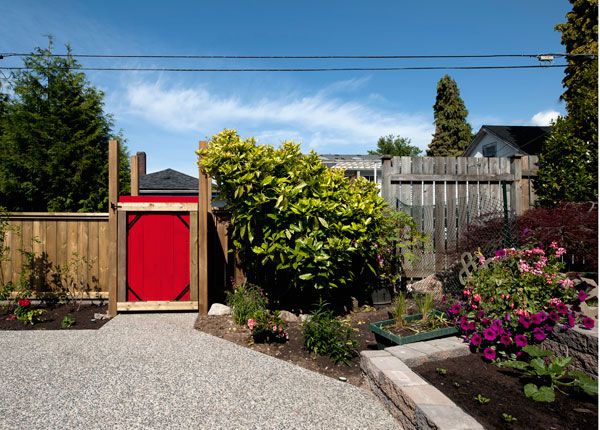
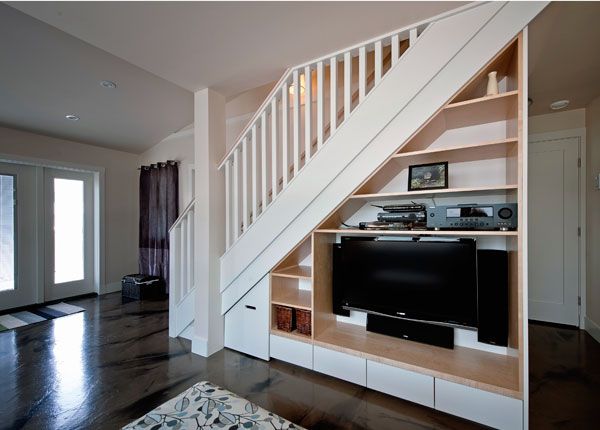
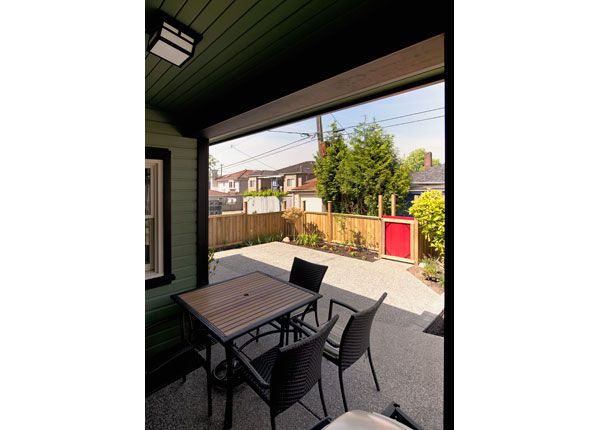
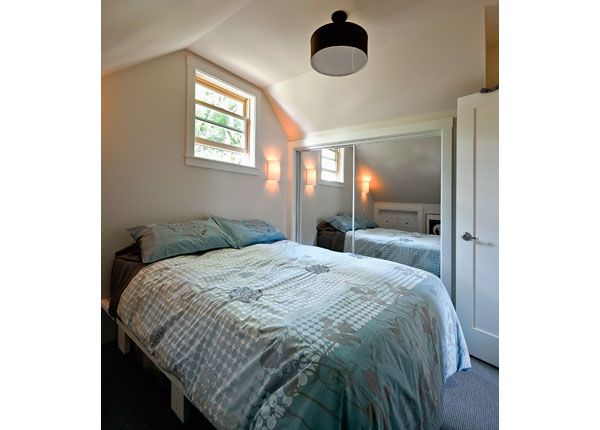
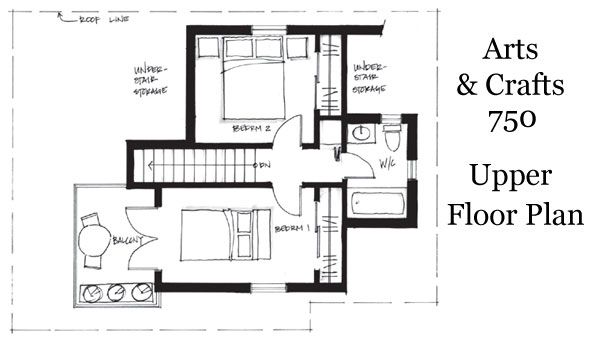
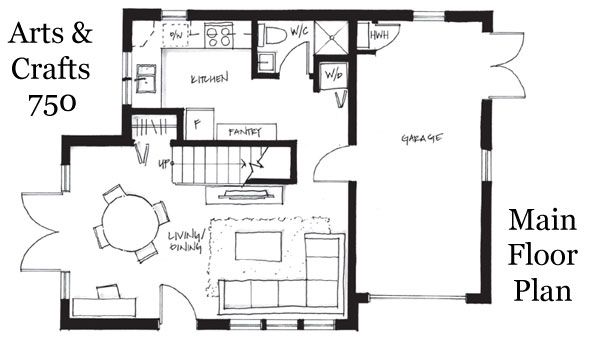
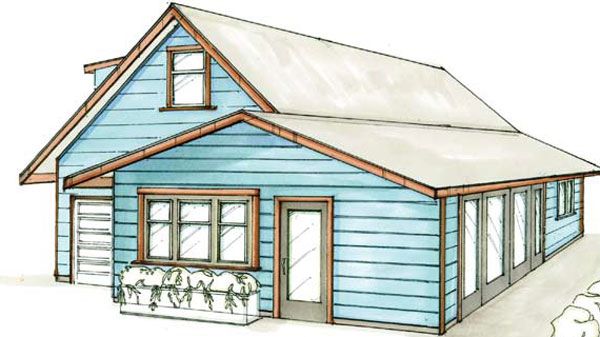
Smallworks Studios/Laneway Housing Arts & Crafts 750

A laneway house, as I’m sure you’re all aware by now, is a house built on existing lots (typically in the backyard of an existing house) that face onto the back lane or alley. Their popularity rose on the west coast of Canada, particularly in metro Vancouver, but have since spread across North America as a chic development in crowded residential areas, which is where Smallworks Studios/Laneway Housing comes in.

Obviously space is at a premium on metro lots, so small house sensibilities are often applied in tandem with the obvious economic advantages of building with a small environmental and physical footprint. In Vancouver, the average laneway house measures only 550 square feet and consists of 1.5 stories.

Smallworks Studios/Laneway House
Read the rest of this entry »

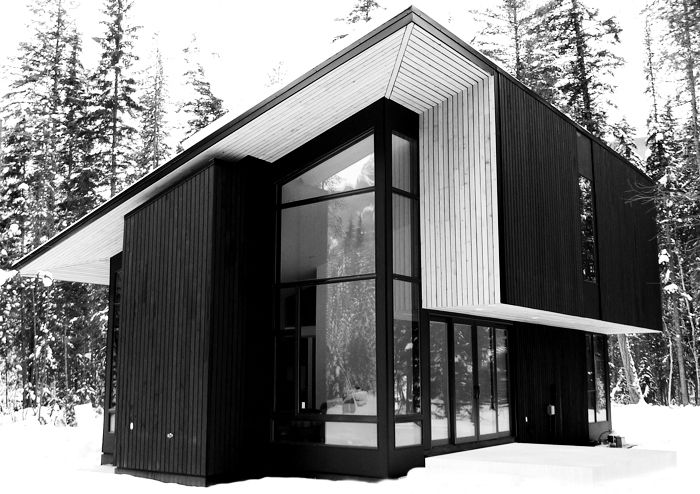
Form & Forest’s Pioneer Prefab Cabin

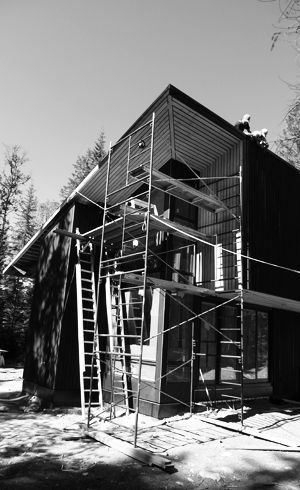
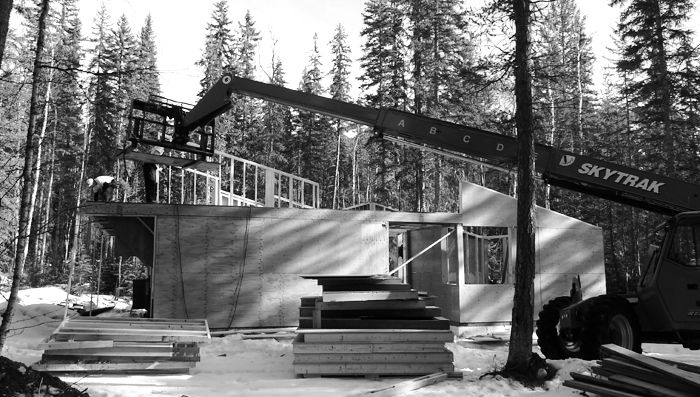
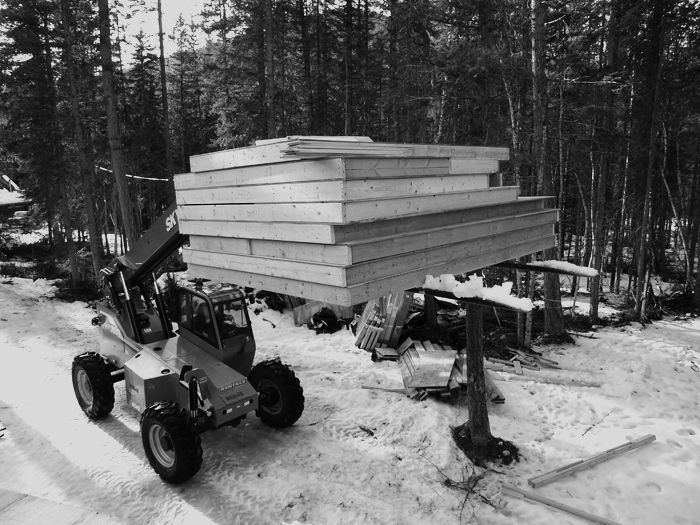
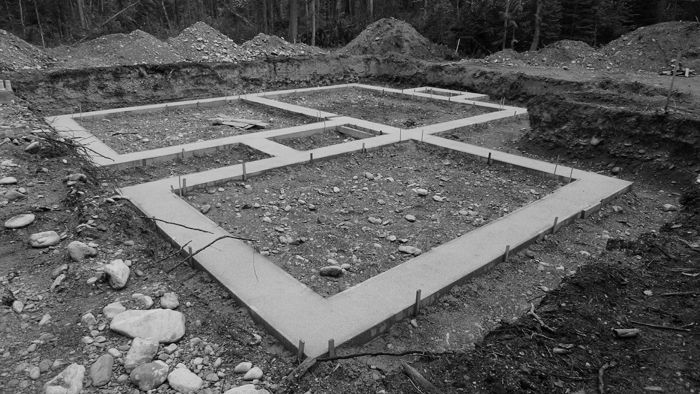
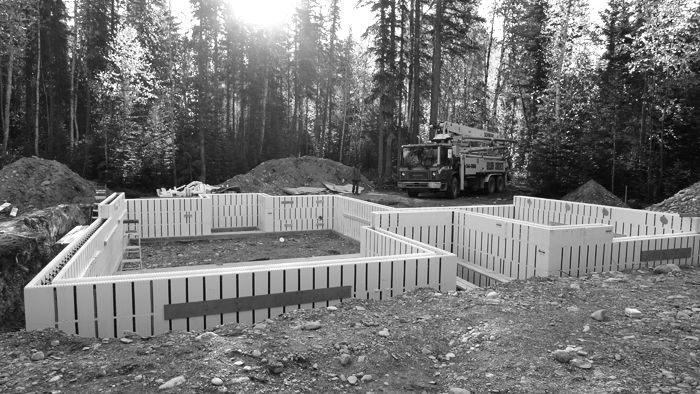
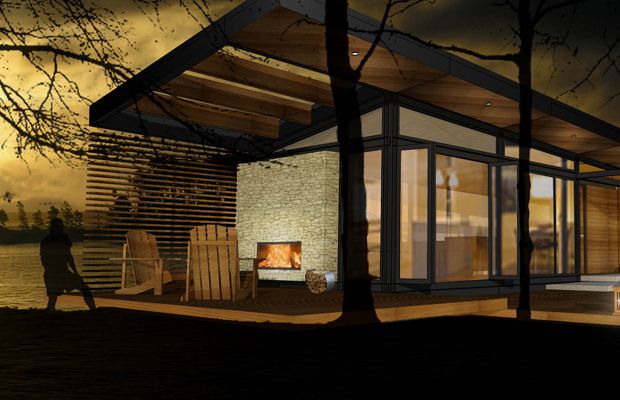
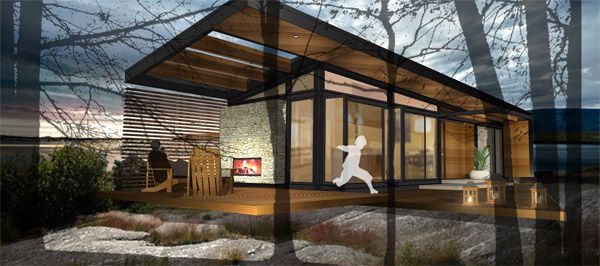
Canada’s Form & Forest present this unique cabin built on a pristine five-acre lot in the Rockies. Rather than go the traditional route of log homes, Form & Forest wanted to try something a little different.

Form and Forest


Read the rest of this entry »

Sustainable Cabin at Texas Tech by Urs Peter Flueckiger

Living in a trailer carries with it a certain stigma but this didn’t stop Urs Peter Flueckiger and his students at the College of Architecture, the College of Visual and Performing Arts, and the College of Engineering at Texas Tech University from requisitioning part of a derelict doublewide and turning it into the prefabricated Sustainable Cabin. Destined for a landfill, the professor et al. extensively remodeled a section to test sustainable architectural concepts in construction materials and techniques, with the end goal of better understanding their methods and applications.

Sustainable Cabin at Texas Tech by Urs Peter Flueckiger

Read the rest of this entry »

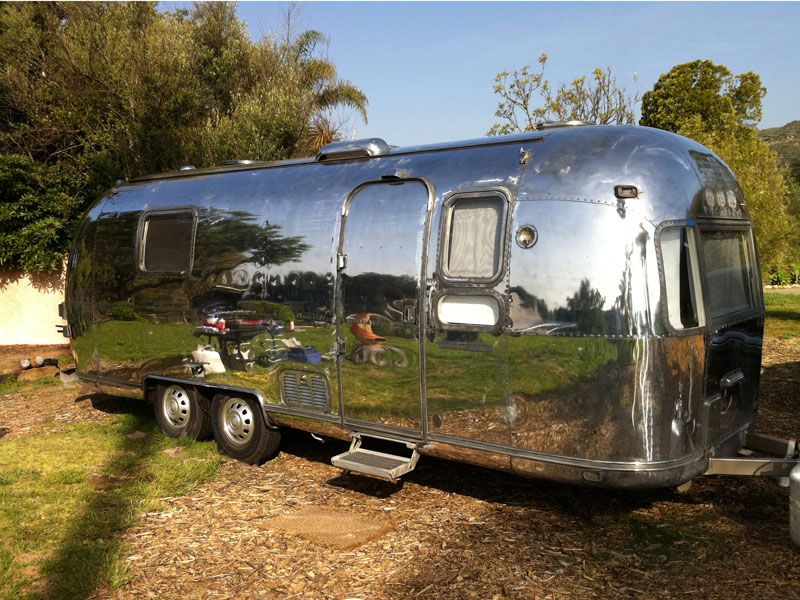
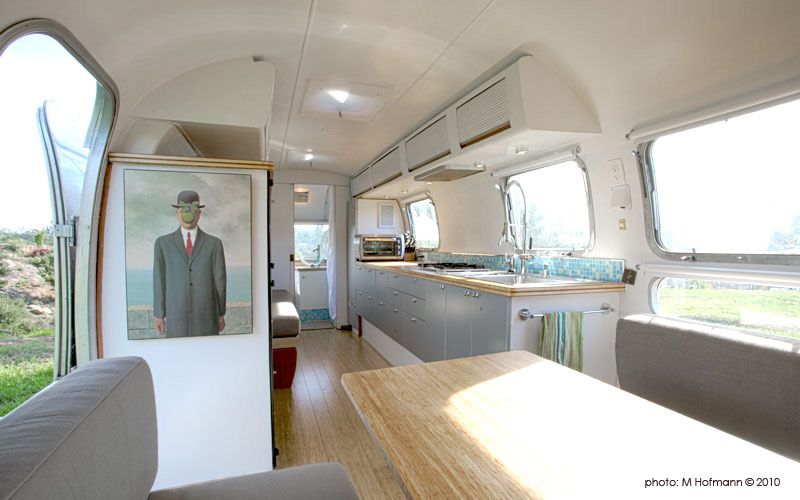
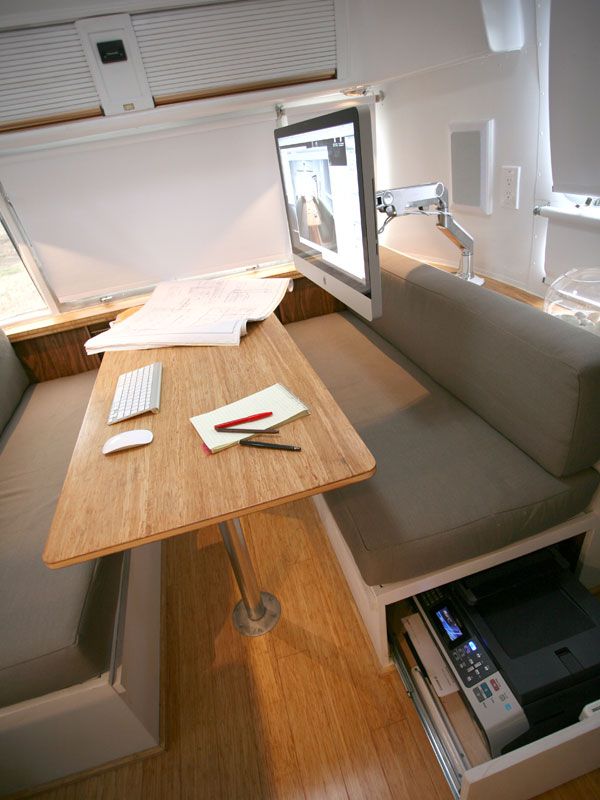
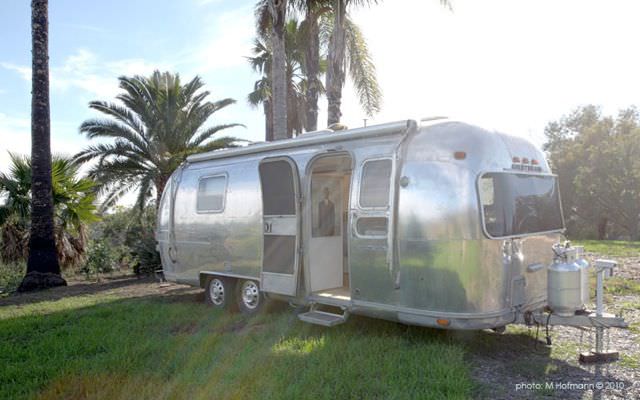
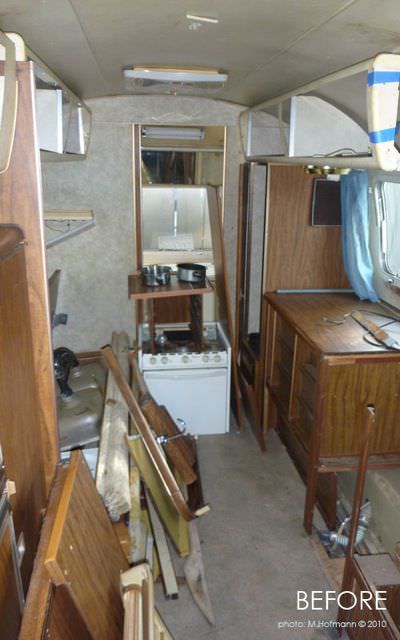
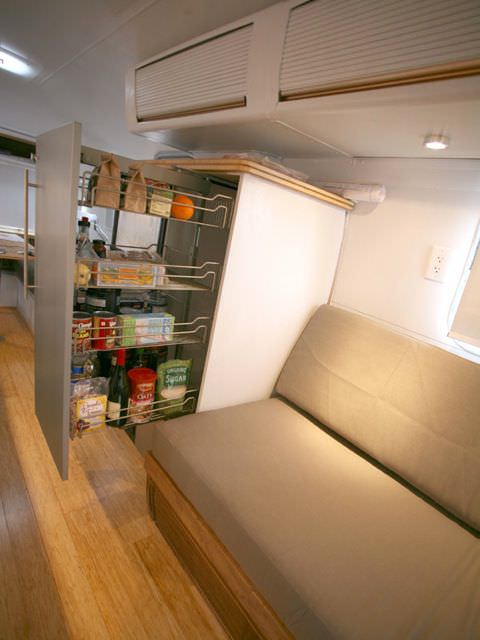
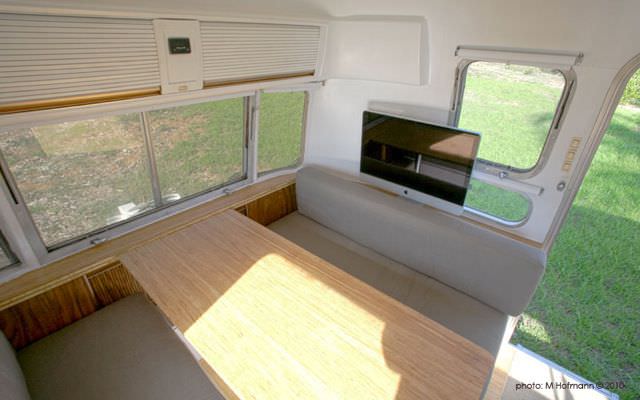
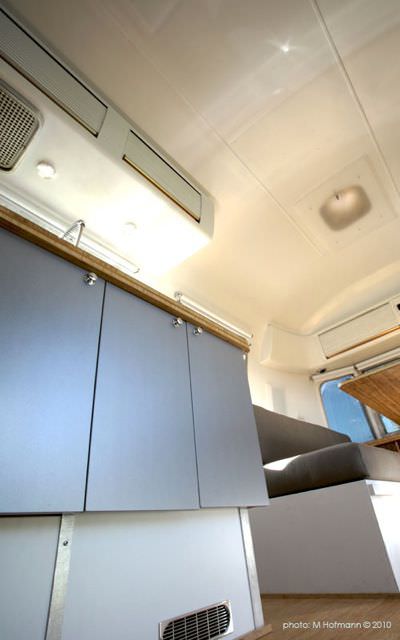
Airstream Sustainability by Hofmann Architecture

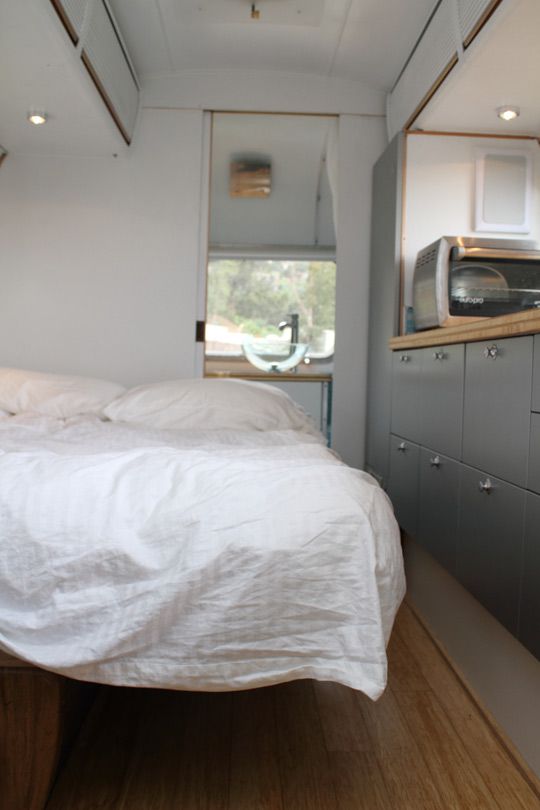
Remodeling an Airstream is one of the most sustainable things one can do.

I’m an architect. I know, it’s ironic, but I don’t prefer designing a brand new home.

Like you (I hope!) it’s our job to take care of the earth by our own behavior.

The most unsustainable thing one can do to the earth is to design and build a new home where there wasn’t one before. Worse still, is tearing down an old home and building a new one in its place.

A new home takes an enormous amount of energy and natural resources build.

Using the empty shell – the floor, walls and roof – in an existing building requires significantly less energy than new construction. By eliminating the need for building a foundation, erecting walls, installing windows, and placing on a new roof thousands of dollars of resources that would have been required to build these elements can be transferred, or saved all together.

Hofmann Architecture Sustainable Airstream restoration

The end result is a win-win. Sustainable and more cost effective.

Read the rest of this entry »

Small Stilt House Restoration on Puget Sound

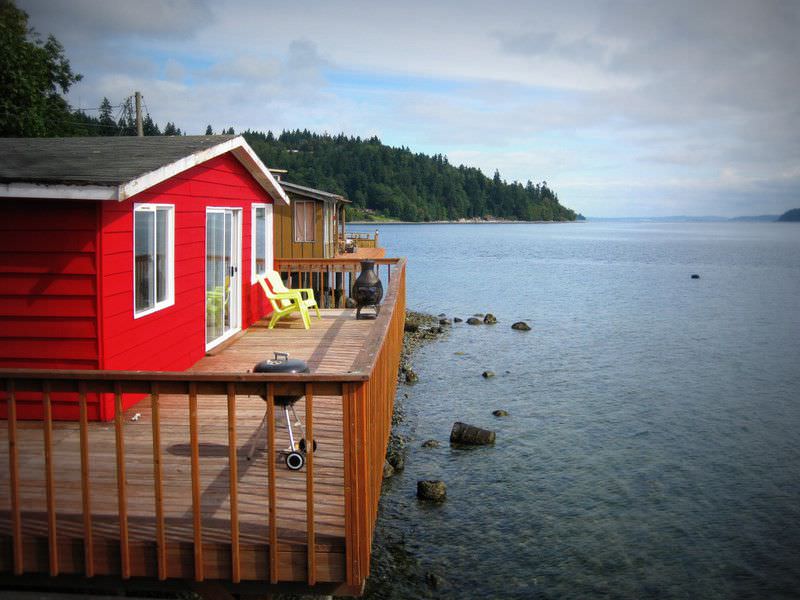
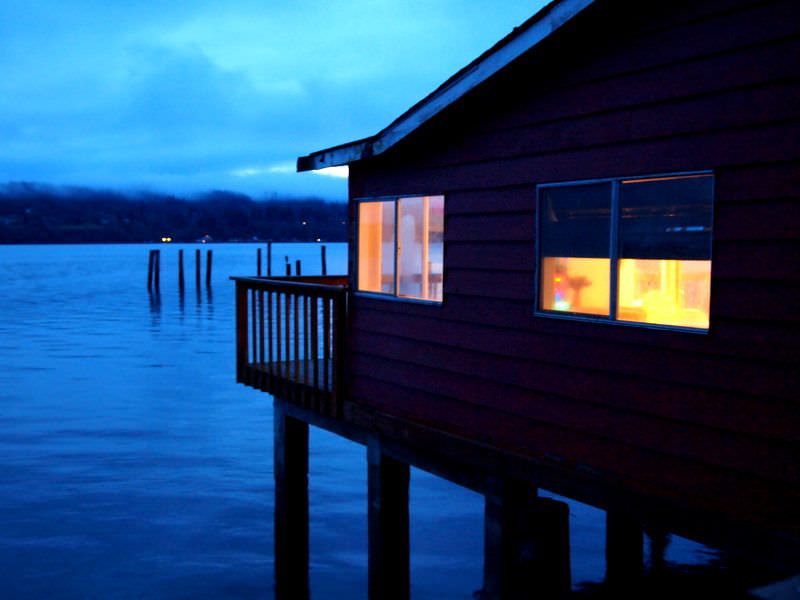
Before the development of the freeway system, the main mode of transportation on Puget Sound was a series of privately owned ferries collectively known as the ‘Mosquito Fleet‘. The community of Fragaria was built at this time around a ferry stop that served the farmers and families of Kitsap County in Washington State. The famed steamship ‘Virginia V‘ harbored at Fragaria at this time and a small community of tiny cabins were built around what was then the ticket/post office and general store. Most of the houses were built on piers to take advantage of the terrain, known as ‘stilt houses’ Fragaria is one of a handful of remaining communities around Puget Sound built with this method.

Fragaria Stilt House Puget Sound

Guest post by Joel Lee.

Read the rest of this entry »

An Airstream story – Living Large in Small Spaces

The Great Recession has forced millions of Americans to go on a spending diet. Many have lost their homes and have scaled back. But not for everyone. Let’s take a closer look at rightsizing with Matthew Hofman of Hofman Architecture.

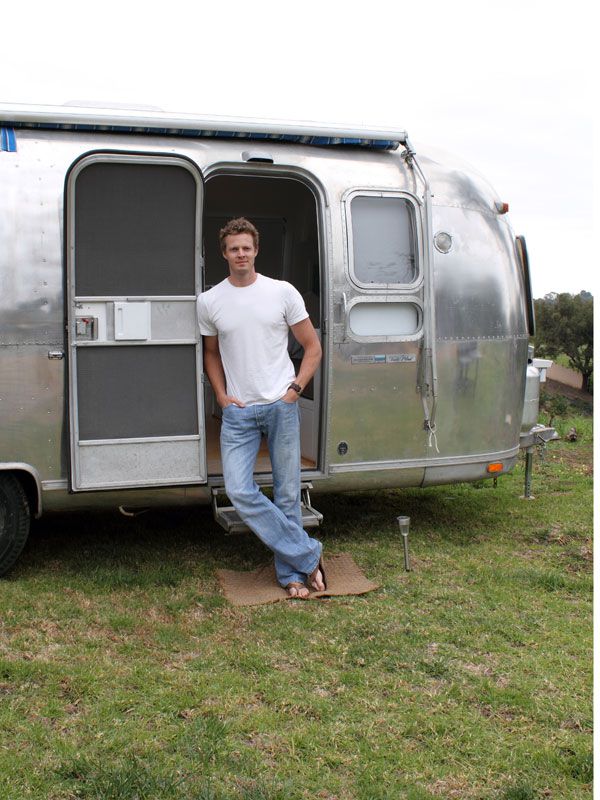
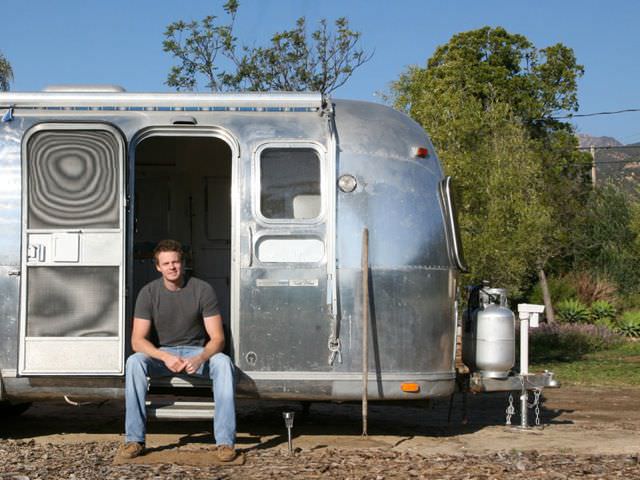
Matthew Hofmann of Hofmann Architecture

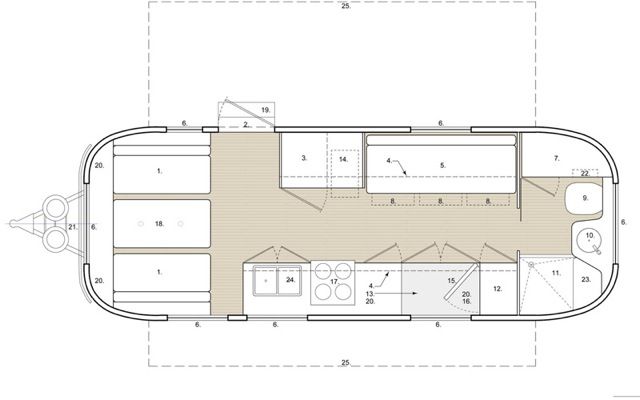
For Matthew Hofmann, living with less in a smaller space is his choice. He prefers it, and it’s not hard to see why. “Ever since I was a kid building 7-story tree houses I’ve liked reusing old stuff and making it usable again,” says its owner Matthew Hofmann, owner and founder of Hofmann Architecture, who spent the past eight months restoring the 25-foot Airstream. “It’s not only beautiful, it’s also useful.” “I’m at a point in my life where I’m trying to live with less” says Hofmann, who parked the Airstream on a Montecito home site that burned down in the Tea Fire.

Read the rest of this entry »

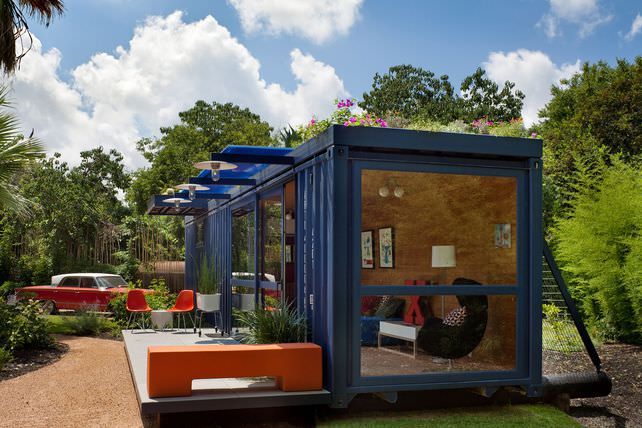
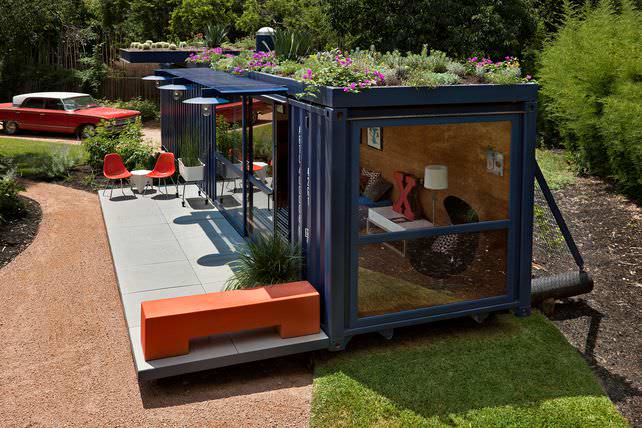
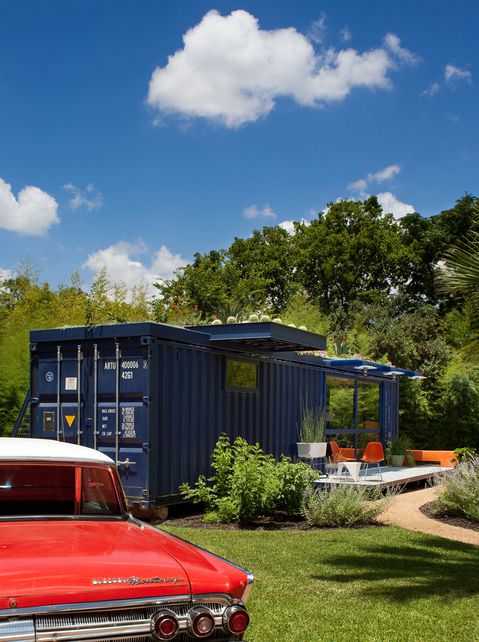
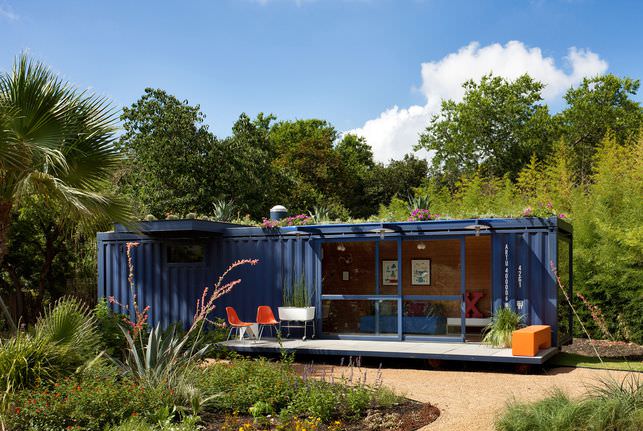
San Antonio Shipping Container Guest House by Poteet Architects

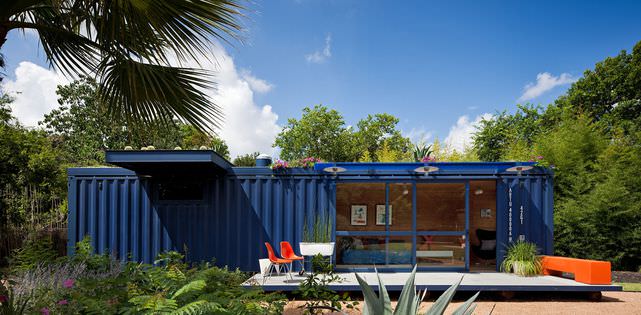
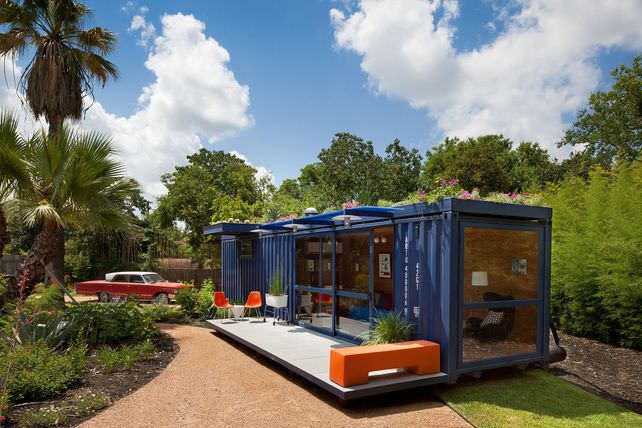
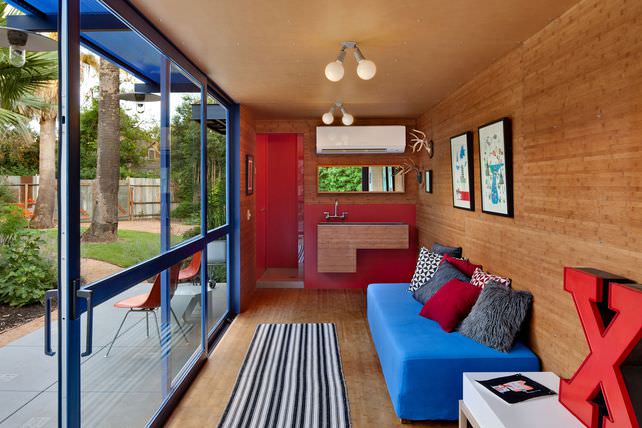
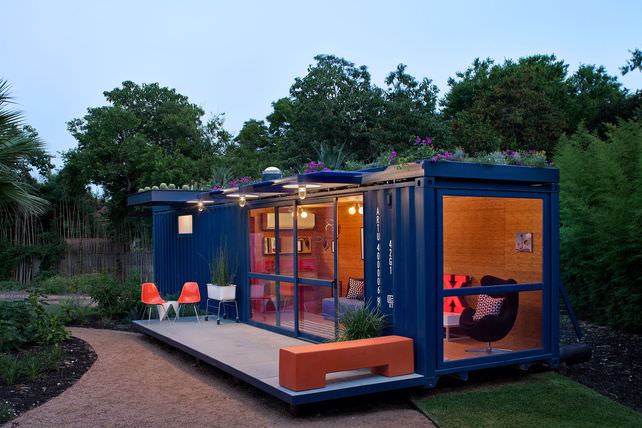
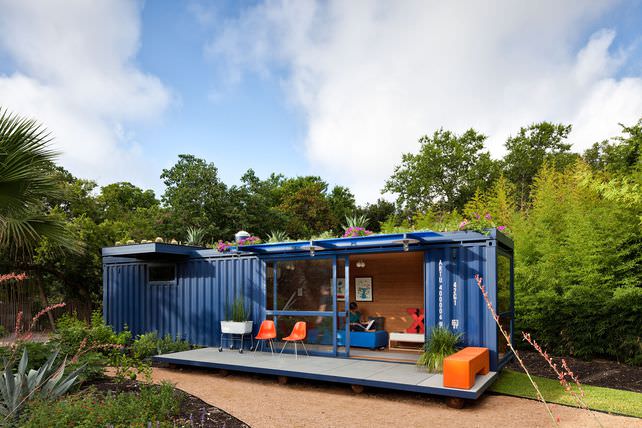
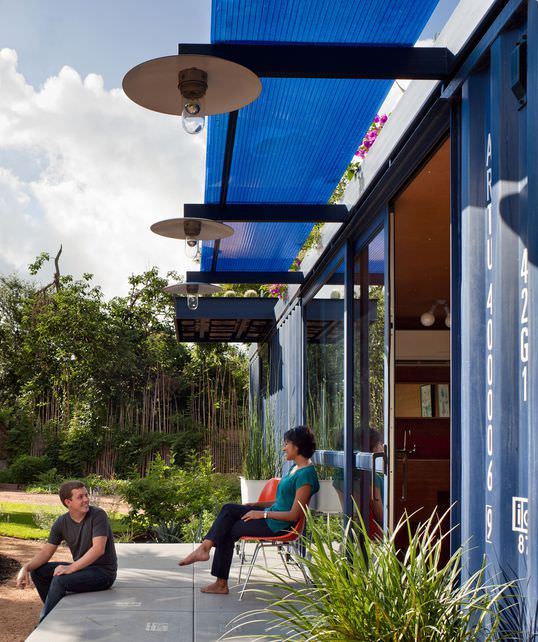
The current penchant for converting shipping containers into domiciles continues with this strangely attractive Texas playhouse, guesthouse and garden retreat in San Antonio by Jim Poteet of Poteet Architects, LP. Shipping containers are a readily available resource thanks to their abandonment at seaports. It’s often cheaper for companies to simply buy a new container than ship an empty one home, so thousands languish in sprawling container storage facilities around harbors throughout the world.

Shipping Container Guest House by Poteet Architects

Read the rest of this entry »

Accessible Small Houses: What is accessible enough?

There are many levels of accessibility in home design, with variations even within the current federal laws that mandate accessibility for public buildings and multi-family housing. Individual homeowners are not usually required by law to make their new small ADU or stand-alone single-family house comply with any accessibility guidelines so what standards you set for your use are your choice.

Accessible Small Houses

The traditional carriage house above a garage is difficult to make accessible unless an elevator or a lift is included, but it could be made safer with the stair inside out of the snow and ice.

This is a guest post in a series by Mike Kephart of Kephart Living, LLC, a design and consulting firm dedicated to the support and resurgence of the Sidekick Home or Accessory Dwelling Unit with offices in Denver, CO. View the first post in the series, “Accessible Small Houses,” here.

Read the rest of this entry »

Savvy Rest Organic Mattresses

Savvy Rest Organic Mattresses